Design System Rebuild

Led a 2-year design system rebuild for a scaling SaaS team — cut design-dev communication cycles by 60% and built a shared component library in Figma.

Timeline

2021 to 2023 - 2 years

Team

Product Team: Suki, Jack, Winky, Me, Front-end Team: 3+

MY RoLE

  • Led the rebuild of the Design System from audit to rollout

  • Defined component structure, naming rules, and usage patterns

  • Managed documentation in ZeroHeight and coordinated with Storybook implementation

  • Hosted bi-weekly syncs and onboarded new designers into the system
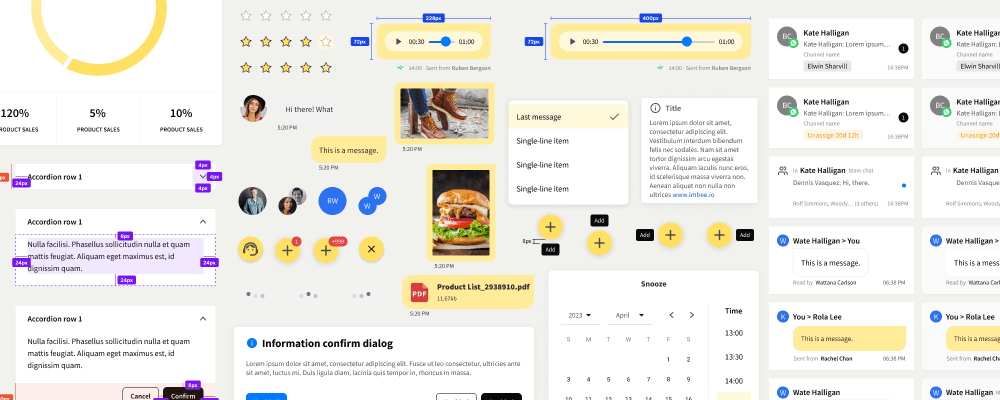
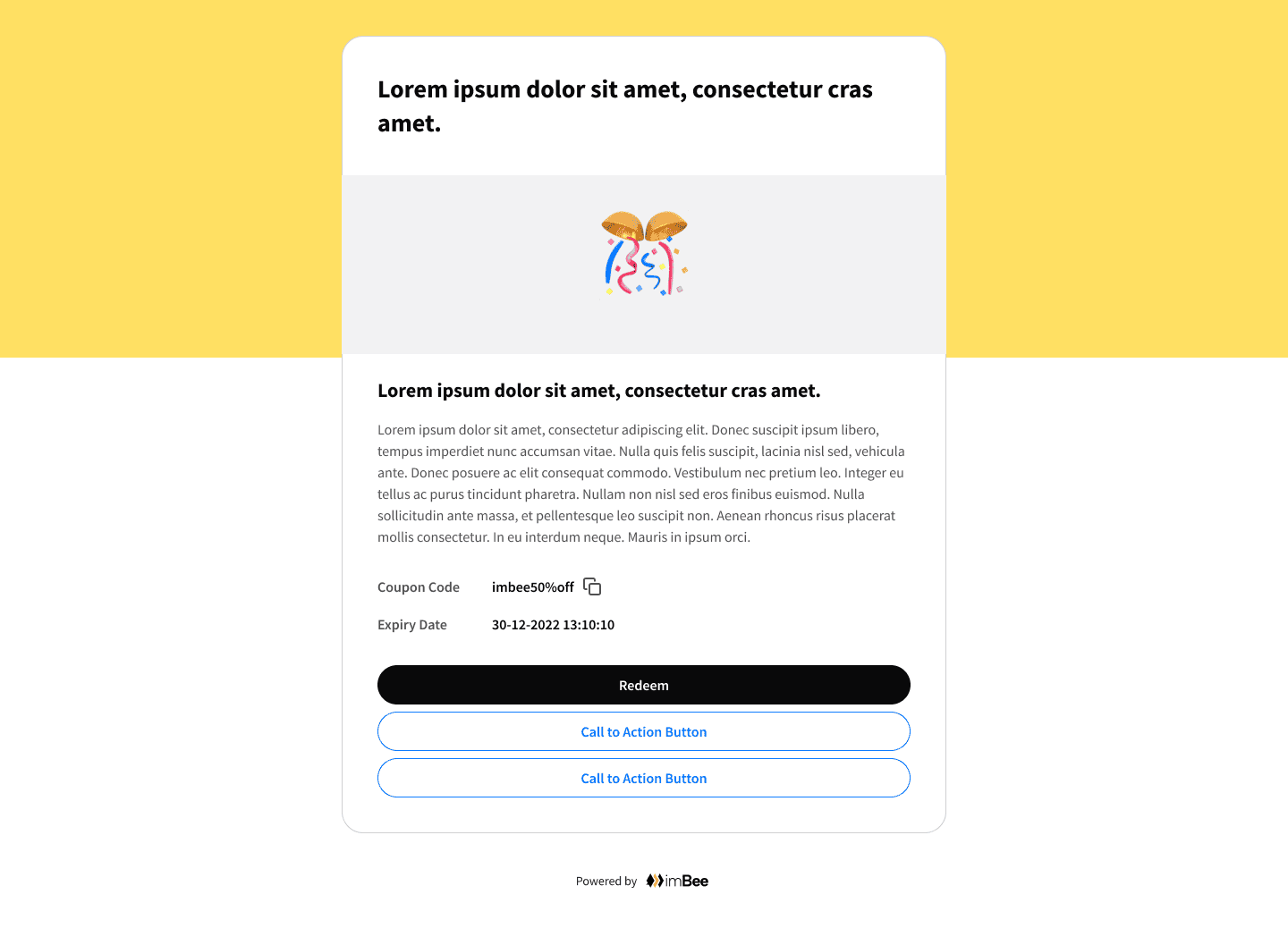
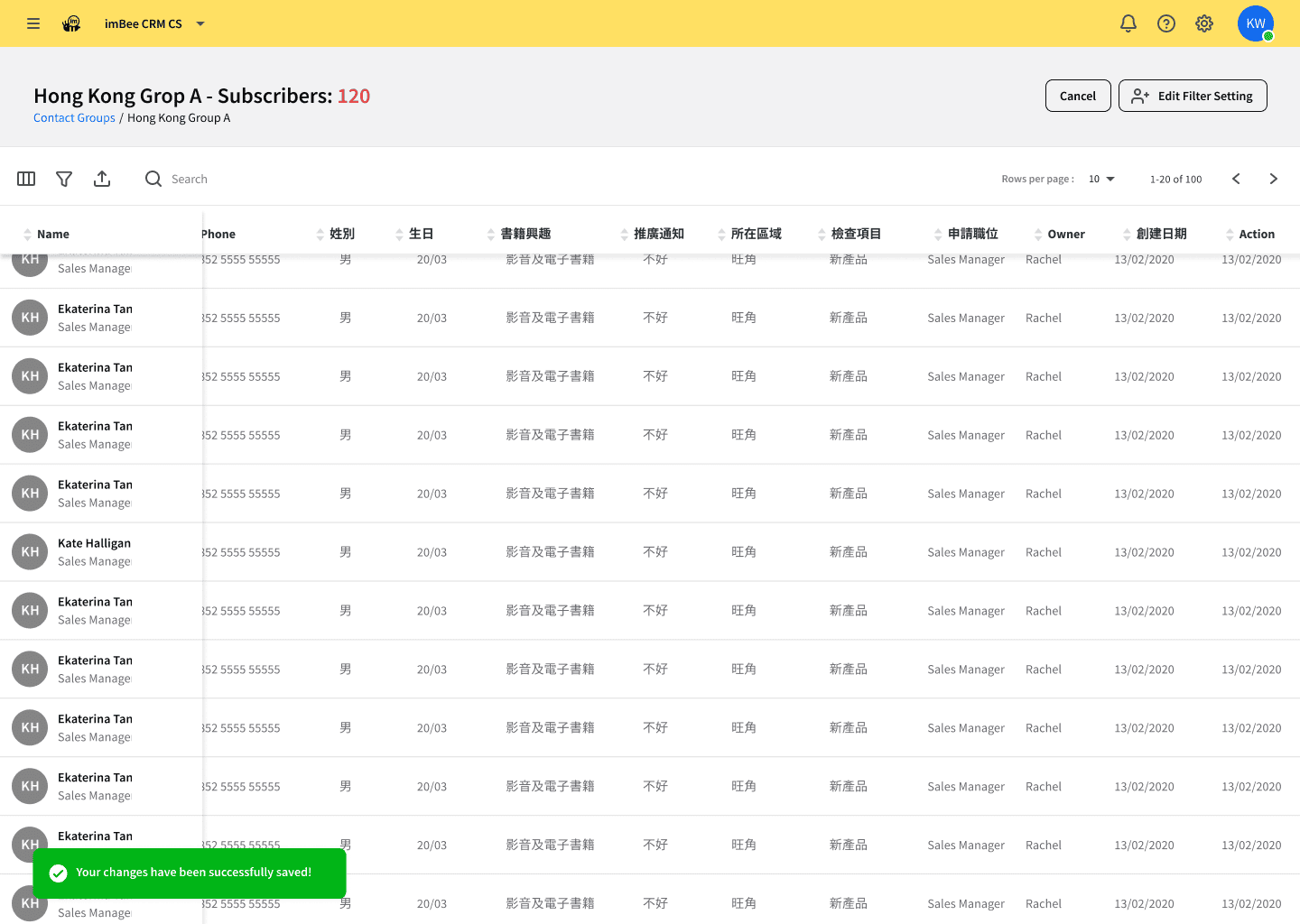
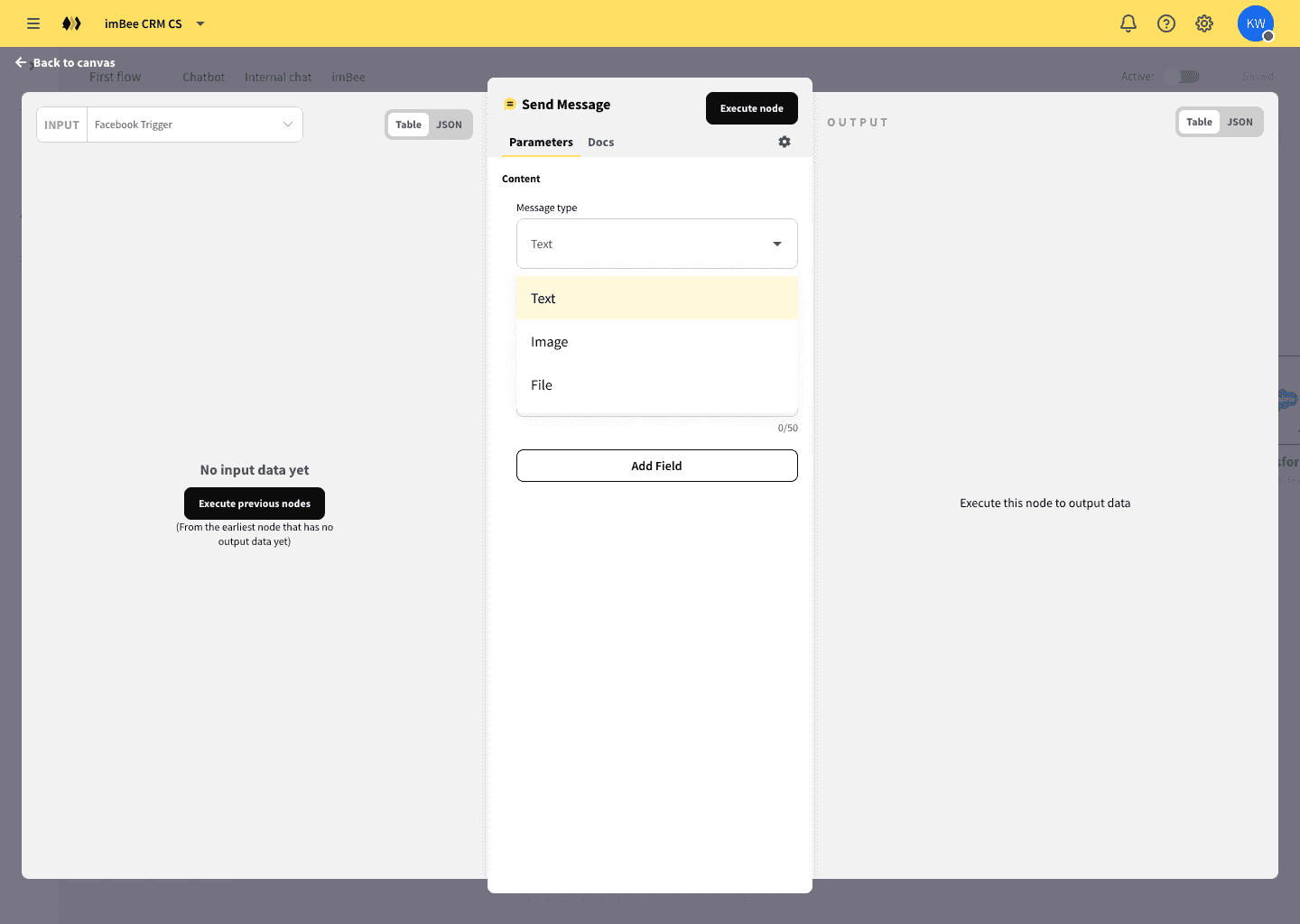
Design system rebuild — unified component library for SaaS product

Overview

As the product and team scaled, we ran into UI inconsistencies and repeated miscommunication between design and engineering. Components were often duplicated, usage rules were unclear, and designs across the product lacked consistency.

To address this, I initiated a Design System rebuild with my supervisor, securing strong support from the CEO and Front-end Lead. We later expanded the design team to 4 members, and together created a modular, scalable system that improved consistency, accelerated delivery, and strengthened the design–dev workflow.
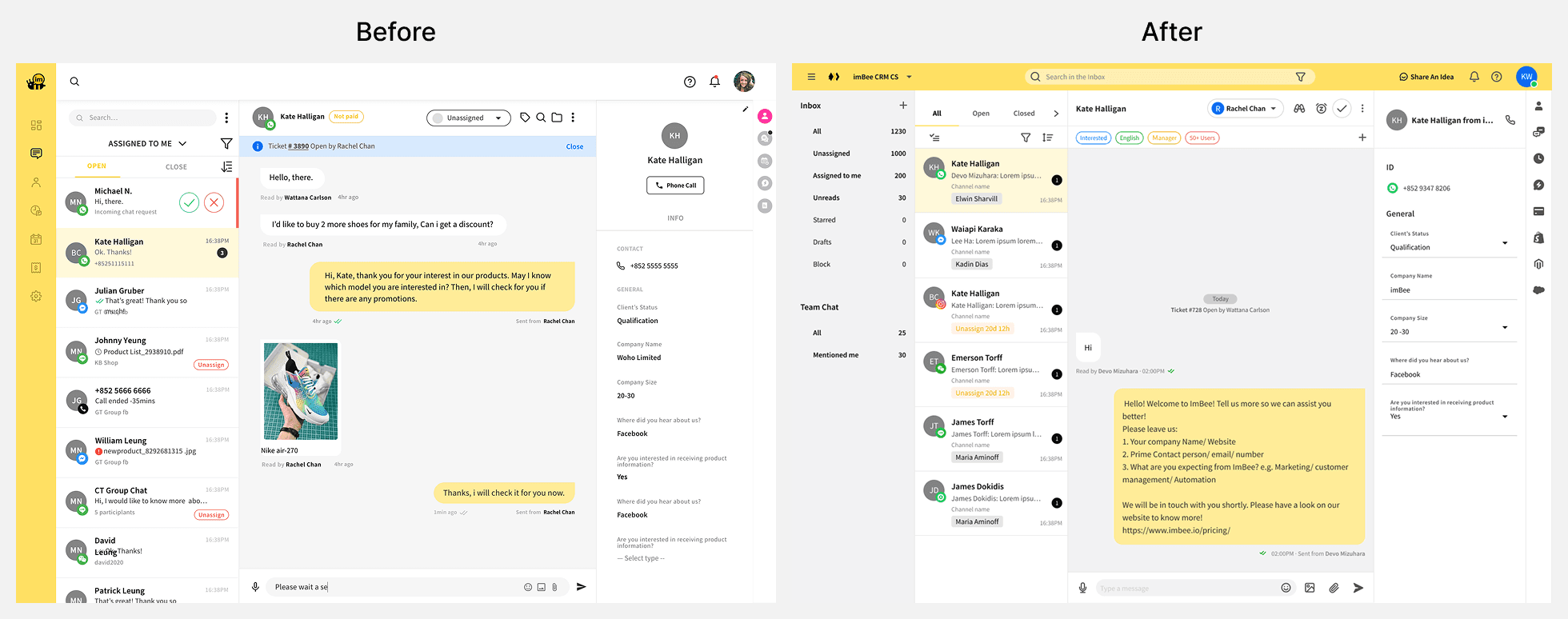
Design system before and after — inconsistent components redesigned into a unified, scalable product UI

Challenge

  1. Keeping the team aligned
    As new designers joined, different habits and design logic made consistency hard to maintain.

  2. Making design decisions under disagreement
    Opinions often differed on visual details, and I needed to turn subjective debates into clear, shared decisions.

  3. Balancing UX, development effort, and business needs
    Custom feature requests from leadership had to be balanced against engineering cost and delivery timelines.

Discovery

When I joined the project, the design workflow was fragmented.

  • The Figma file contained redundant components with unclear usage, making it hard to tell which version was correct.

  • Developers frequently needed clarification on spacing, button types, and component behavior, slowing down implementation.

  • New designers struggled to identify the right source to follow, leading to delays and visual inconsistency.

Over time, it became clear that the core problem was not visual inconsistency, but the absence of a shared source of truth. Instead of treating this as a cleanup task, I reframed it as a system problem and led the team to build a design foundation that aligned designers, developers, and stakeholders around the same playbook.
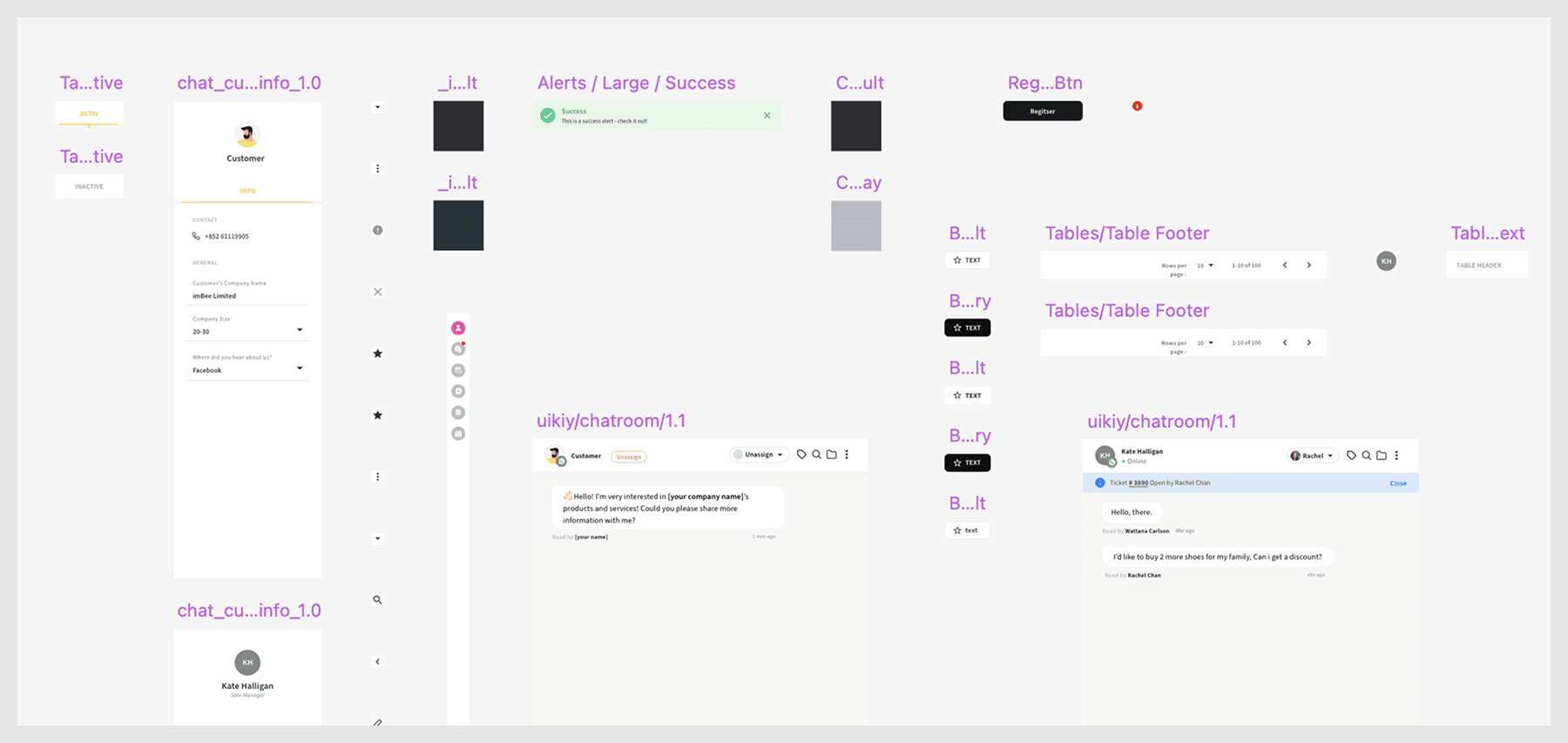
Original Figma component library — unstructured and inconsistent before design system rebuild

Solution

Before scaling the system, I first rebuilt the foundation. I reviewed existing UI components, grouped them by function, and cleaned up duplicates so the team could work from a clear baseline instead of accumulating more design debt.
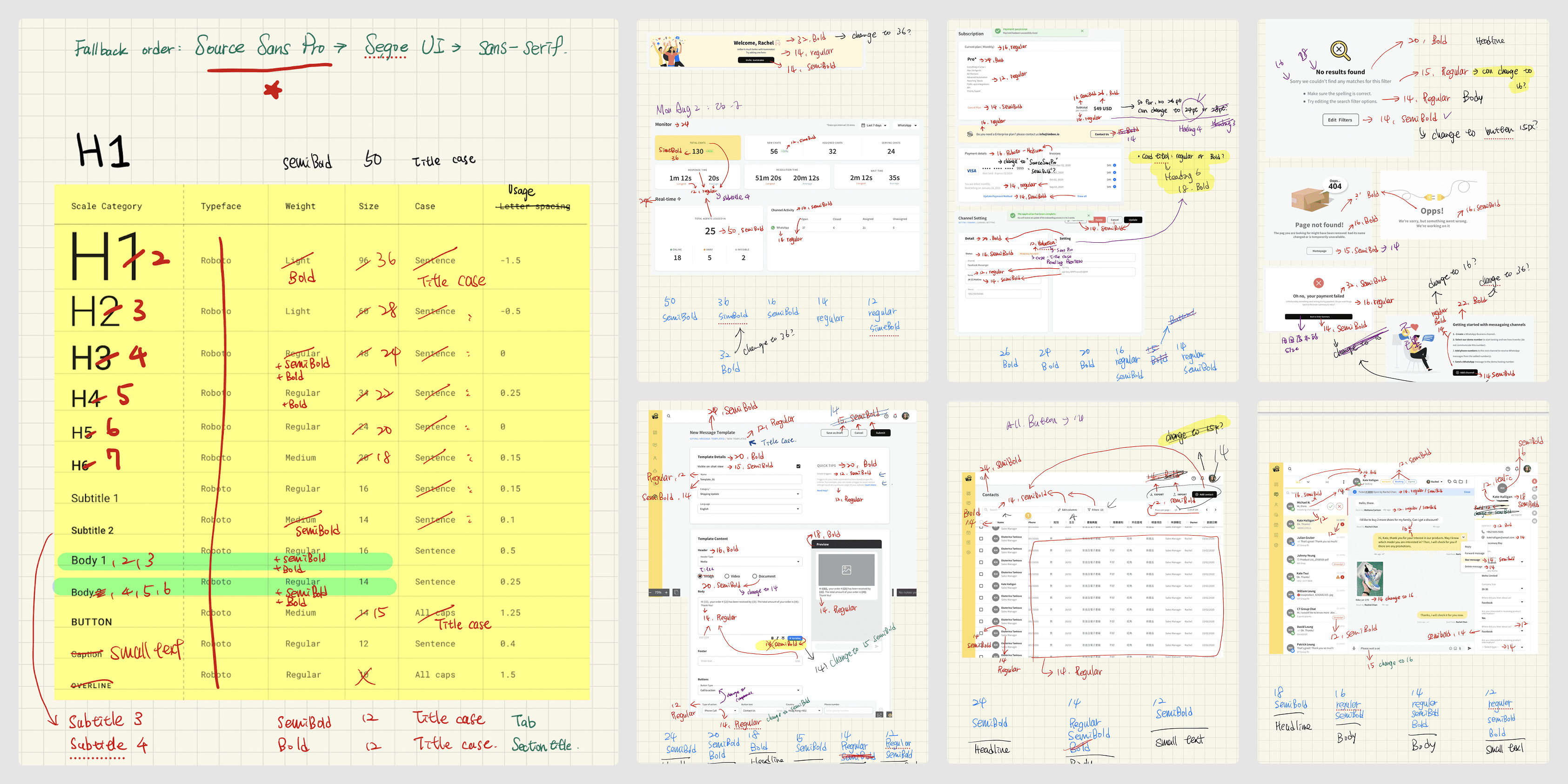
Cian-Yu Guo's working notes and sketches during design system problem-solving process

Next, I aligned early with the CEO and front-end team to focus on the most critical components first. We agreed on structure, naming, and behavior upfront, which helped designs move into implementation smoothly and reduced rework later.

To keep everything consistent, I created a single source of truth for finalized components and usage guidelines. This made design decisions easy to reference, helped new team members onboard faster, and reduced back-and-forth across teams.

As the team grew, I focused on scaling ownership instead of control. Responsibilities were shared, changes were reviewed regularly, and quality stayed high without turning the system into a bottleneck.
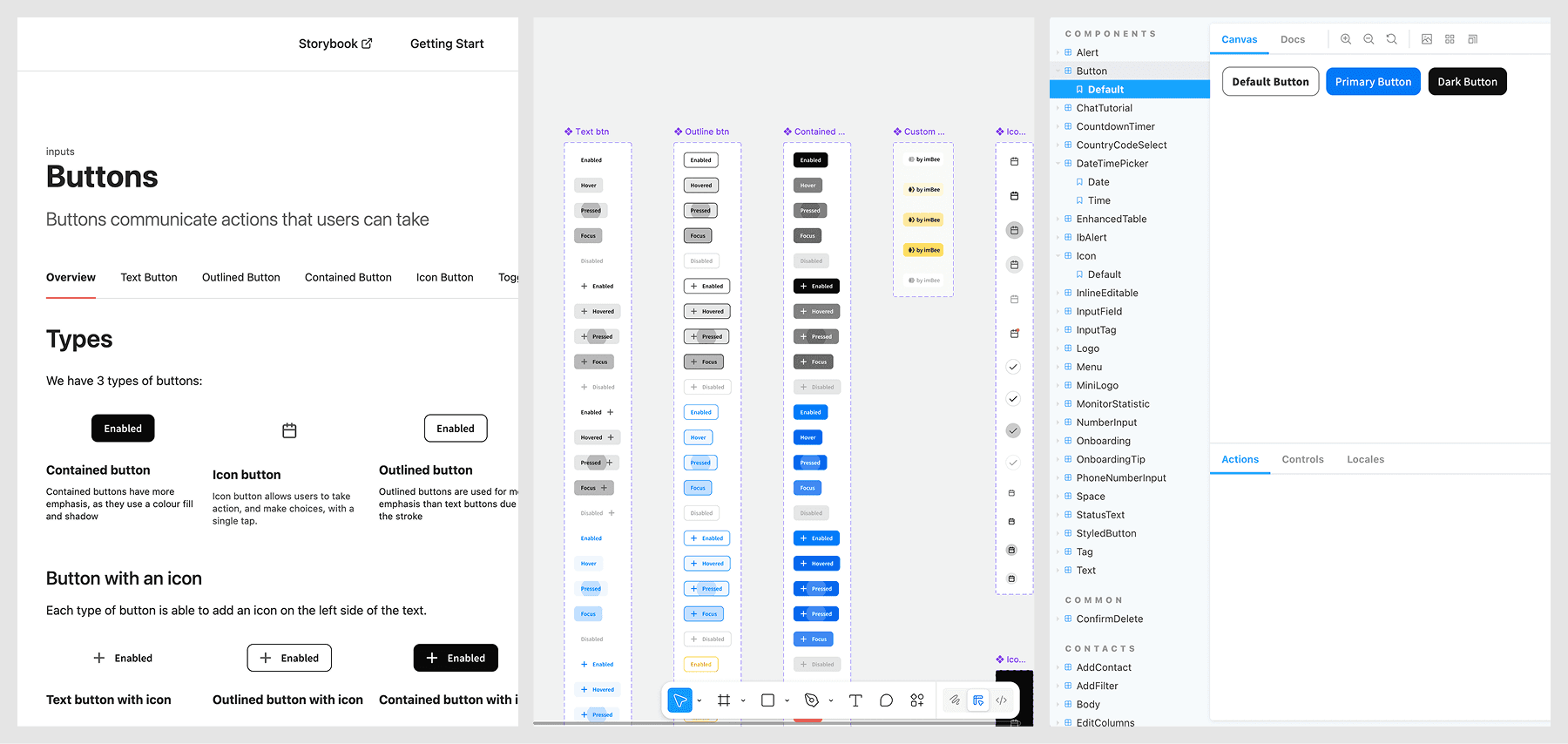
Design system documentation managed in ZeroHeight, coordinated with Storybook for developer handoff

Impact

  • Reduced design–dev back-and-forth by 60%, measured through Slack history and fewer live meetings.

  • Developers shifted focus from spacing details to functionality discussions.

  • Internal teams (CS, Accounting) noted the UI was more polished and intuitive.

  • Established a reusable, consistent, and scalable design foundation for the company.

Design system before and after — inconsistent components redesigned into a unified, scalable product UI
What I’d Do Next

To scale the system further, I’d introduce design tokens for colors, spacing, and typography. This would streamline handoffs, reduce repetitive updates, and allow the team to adapt UI themes or branding changes more efficiently across platforms.

Design system team of four — cross-functional collaboration between design and engineering
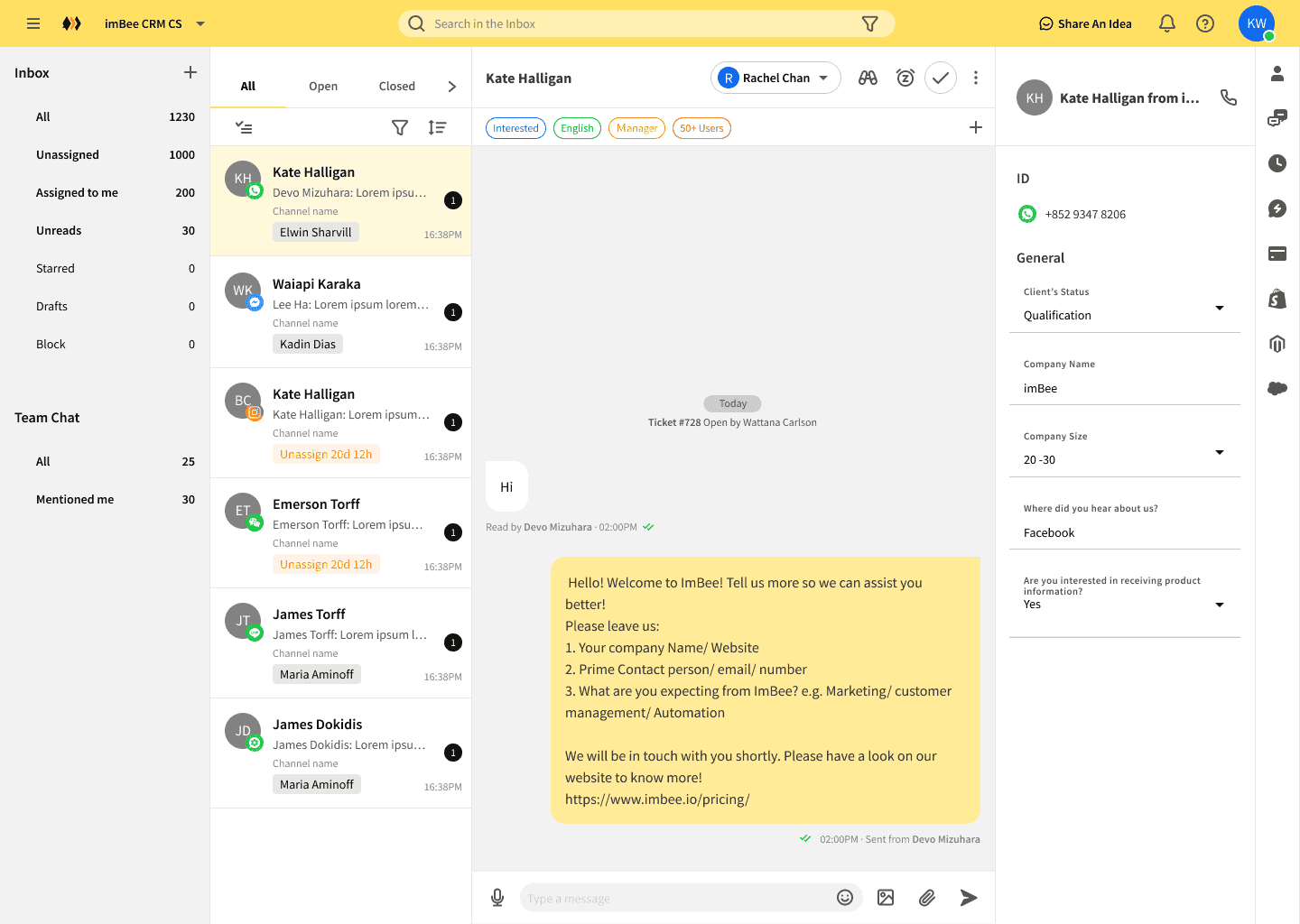
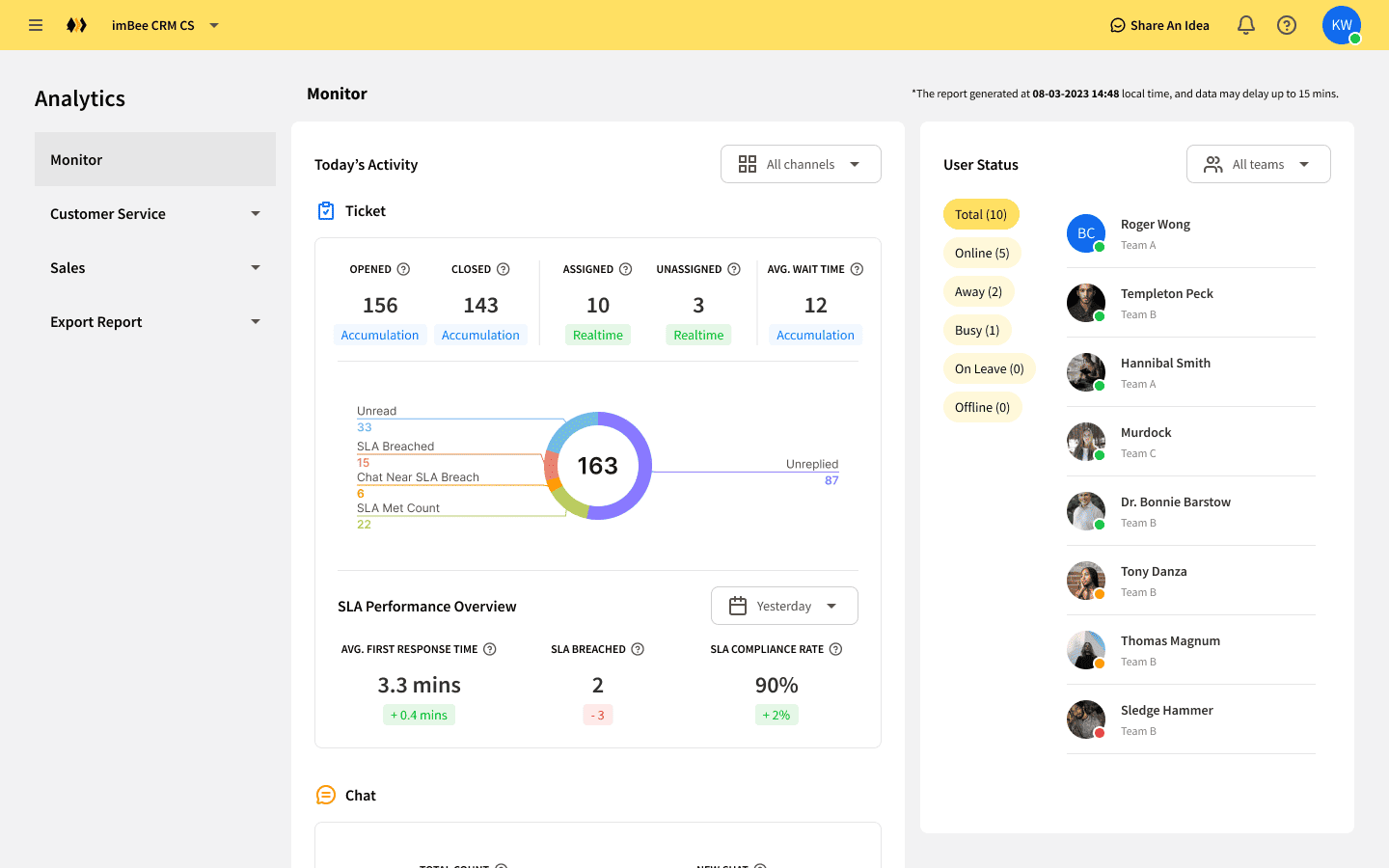
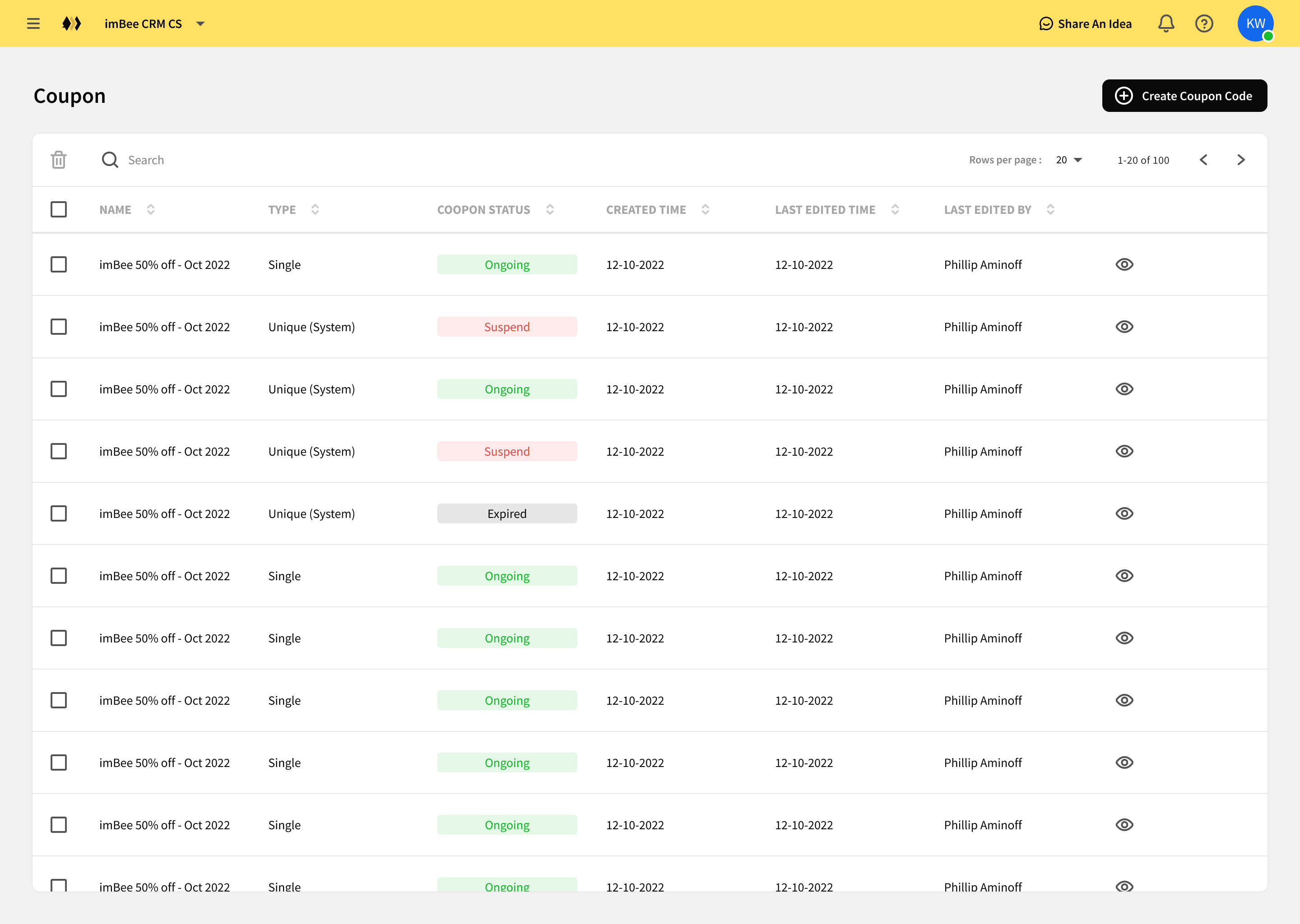
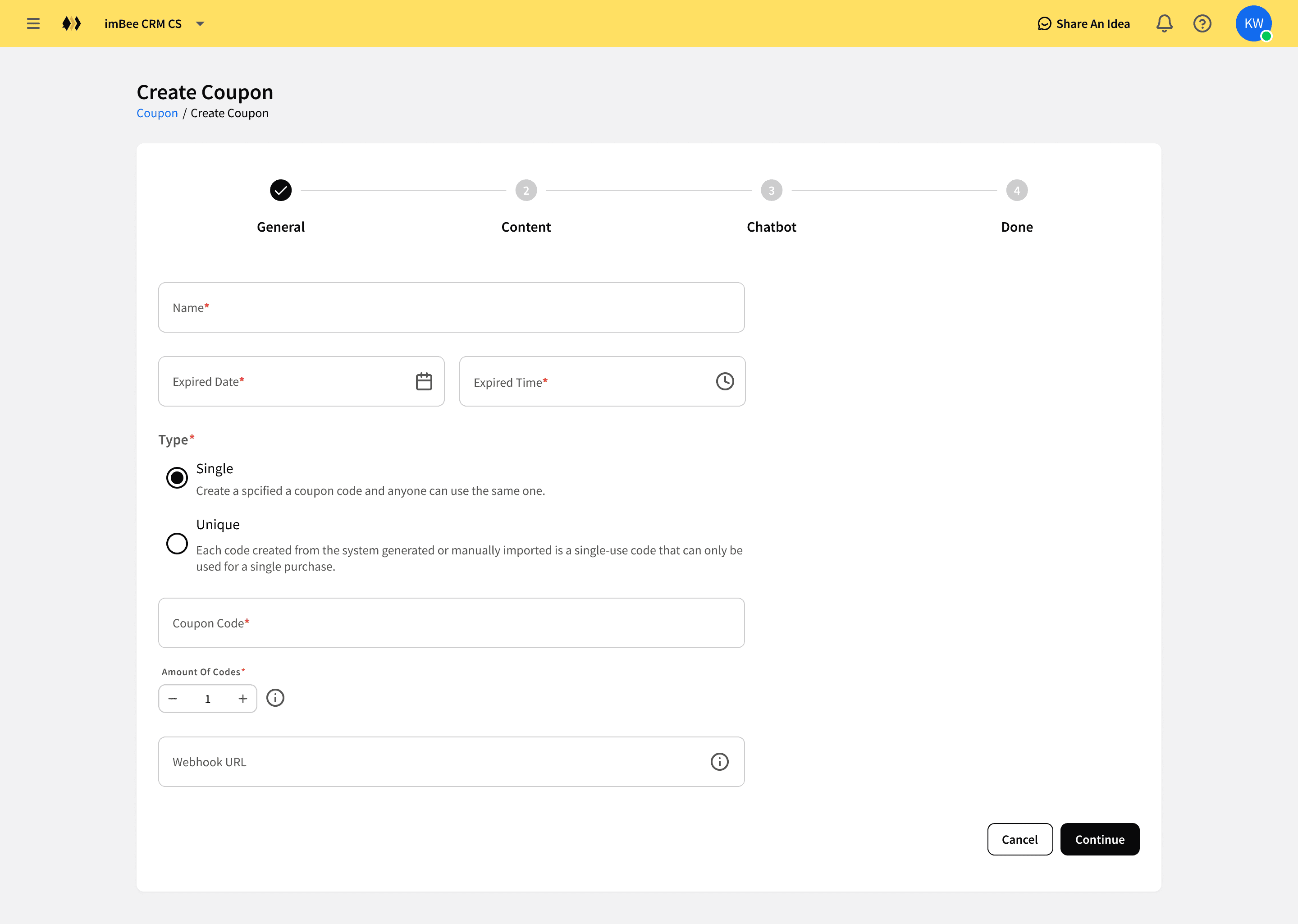
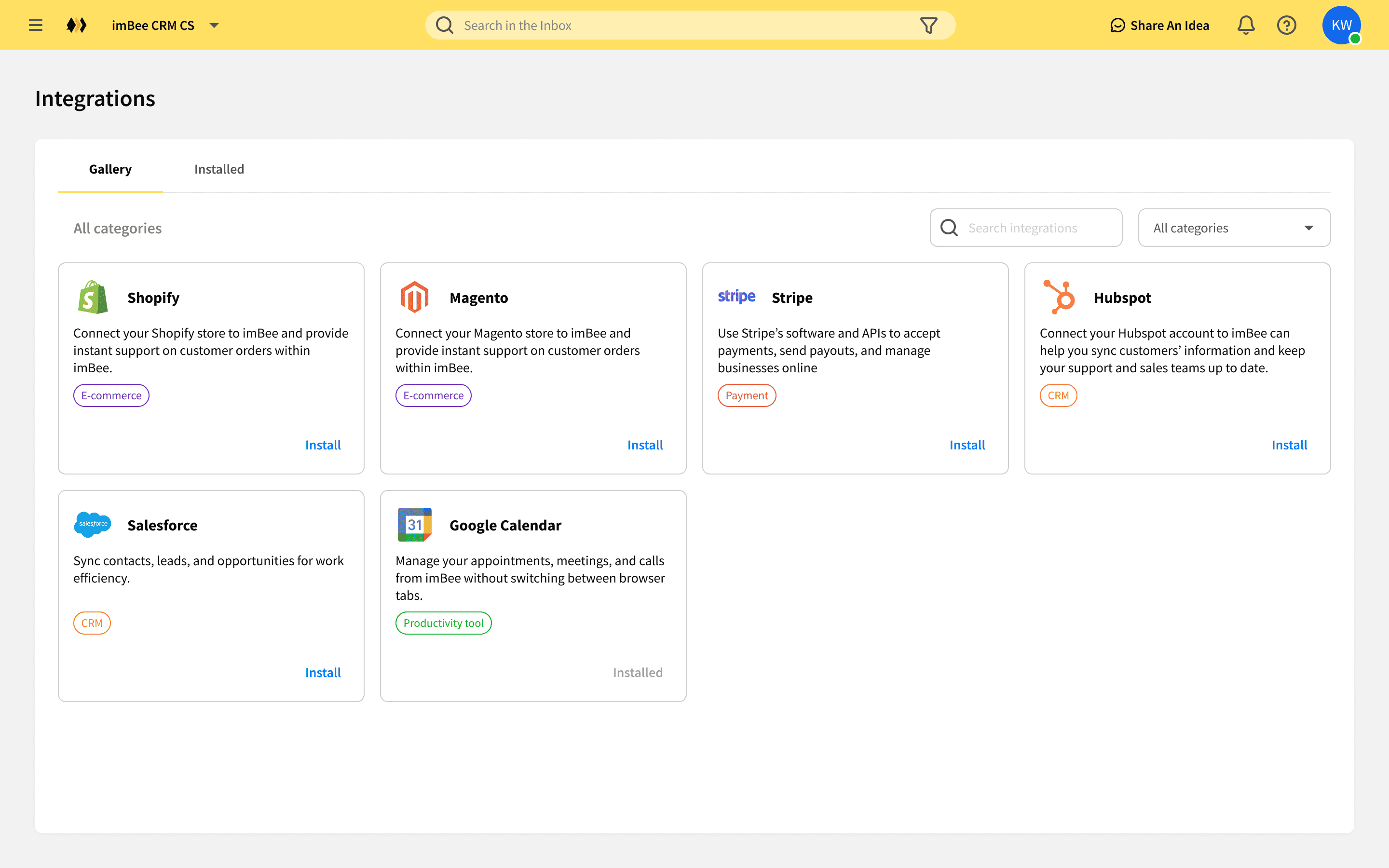
Final product UI applying the rebuilt design system — consistent components across SaaS product screens

Interested in collaborating?

A lot of product ideas sound clear, until you actually try to structure them.

Happy to connect if you’re figuring things out and need another product perspective.

/Email me

guocianyu@gmail.com

/Schedule a call

I’ll get back to you within in 3 days, happy to connect!

INTERESTED IN COLLABORATING?

A lot of product ideas sound clear, until you actually try to structure them.

Happy to connect if you’re figuring things out and need another product perspective.

/Email me

guocianyu@gmail.com

/Schedule a call

I’ll get back to you within in 3 days, happy to connect!

I blend product thinking with crisp UI craft to drive adoption and lighten ops. I work async across time zones with clear docs, design systems, and tight feedback loops, shipping fast without the chaos.

guocianyu@gmail.com

Copyright 2026 @ Cian-Yu, Guo

I blend product thinking with crisp UI craft to drive adoption and lighten ops. I work async across time zones with clear docs, design systems, and tight feedback loops, shipping fast without the chaos.

guocianyu@gmail.com

Copyright 2026 @ Cian-Yu, Guo

I blend product thinking with crisp UI craft to drive adoption and lighten ops. I work async across time zones with clear docs, design systems, and tight feedback loops, shipping fast without the chaos.

guocianyu@gmail.com

Copyright 2026 @ Cian-Yu, Guo

I blend product thinking with crisp UI craft to drive adoption and lighten ops. I work async across time zones with clear docs, design systems, and tight feedback loops, shipping fast without the chaos.

guocianyu@gmail.com

Copyright 2026 @ Cian-Yu, Guo